
Top 5 Warning Signs Your Engine Might Be Failing
Top 5 Warning Signs Your Engine Might Be Failing
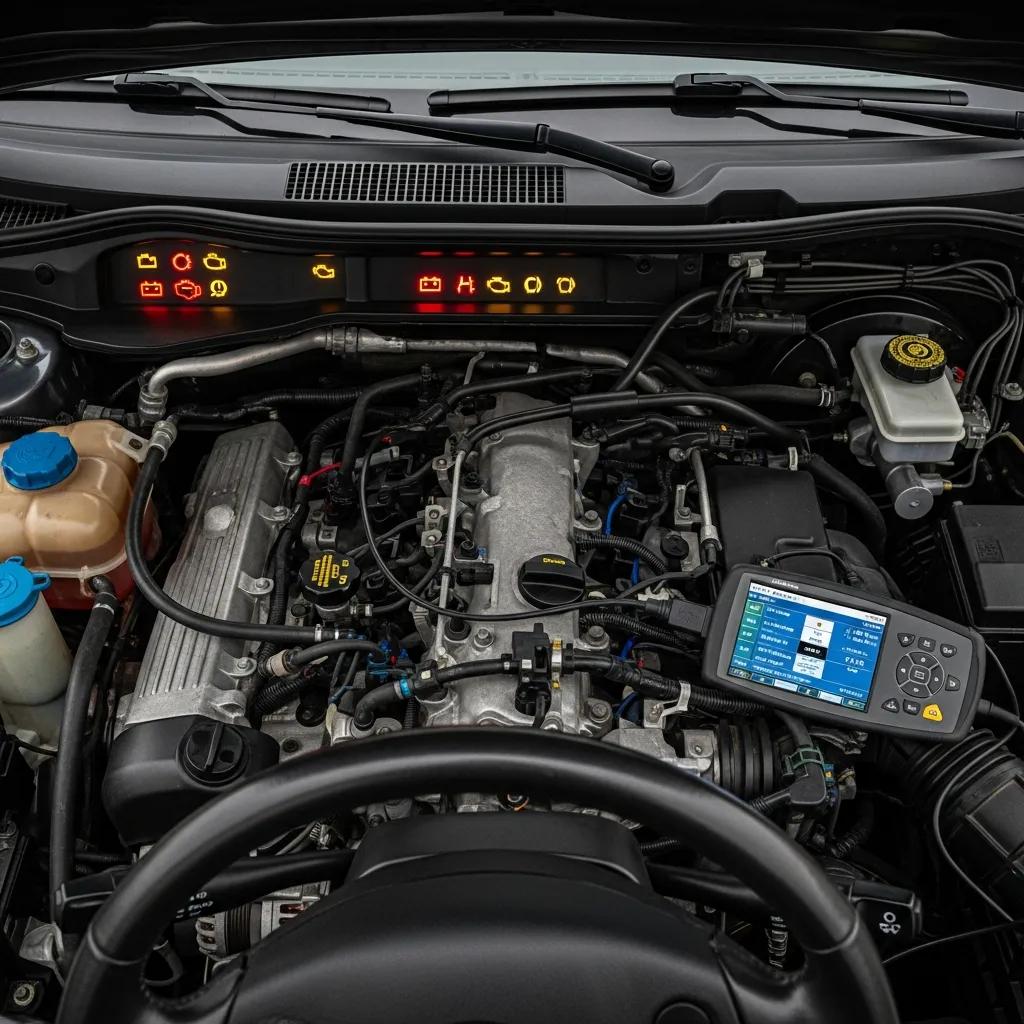
Top 5 Warning Signs Your Engine Might Be Failing: Expert Guidance for Early Detection and Reliable Auto Repair
Understanding the early warning signs of engine failure is crucial for vehicle owners and fleet managers alike. Recognizing these symptoms can save you from costly repairs and ensure your vehicle remains reliable. This article will explore the top five warning signs that indicate your engine might be failing, providing you with expert guidance on how to detect these issues early. By being proactive, you can address potential problems before they escalate, ensuring your vehicle’s longevity and performance. We will cover common engine knocking noises, the significance of the check engine light, symptoms of overheating, signs of engine misfires, and the critical nature of low oil pressure. Each section will provide insights into what these signs mean and when to seek professional diagnostics.
The importance of advanced systems for vehicle health monitoring and fault diagnosis is increasingly recognized in the automotive industry.
In-Vehicle Health Monitoring & Fault Diagnosis
The automobile industry has a growing need for reliable and safe health monitoring systems equipped with low-cost sensor networks and intelligent algorithms. This paper provides an overview of approaches already exist, used in on-board health monitoring systems for vehicles. It focuses on the methodologies, theories, and applications employed in the data measurement and data analysis systems of vehicle (cars) on-board health monitoring systems. A fault detection and diagnosis system, which is accurate, plays a vital role in ensuring the safety of autonomous vehicles by preventing potentially dangerous situations.
Machine learning approaches for in-vehicle failure prognosis in automobiles: a review, F Qazi, 2024
What Are the Most Common Engine Knocking Noises Indicating Failure?

Engine knocking noises can be alarming and are often indicative of underlying issues within your vehicle’s engine. These sounds typically arise from internal components that are not functioning correctly, which can lead to severe damage if not addressed promptly. Common types of engine knocking noises include pinging, knocking, and tapping sounds. Each of these noises can signal different problems, such as detonation, worn bearings, or insufficient lubrication. Understanding these sounds is essential for vehicle owners to take timely action and prevent further damage.
How Does Engine Knocking Signal Internal Damage?
Engine knocking often signals internal damage, which can stem from various issues. For instance, a knocking sound may indicate that the engine’s bearings are worn or that there is a problem with the fuel mixture. This can lead to severe consequences, including engine failure if not addressed. The sound itself is a result of the engine components colliding in ways they shouldn’t, which can cause metal fatigue and other forms of damage. Therefore, recognizing these noises early is vital for maintaining engine health and performance.
When Should Vehicle Owners Seek Diagnostics for Knocking Sounds?
Vehicle owners should seek diagnostics for knocking sounds as soon as they notice any unusual noises. Key signs that indicate urgency include persistent knocking, changes in engine performance, or a decrease in fuel efficiency. Ignoring these symptoms can lead to more significant issues, including complete engine failure. It is advisable to consult with a professional mechanic, such as those at “Nevada Auto Care”, who can perform a thorough engine inspection and provide necessary repairs.
What Does the Check Engine Light Reveal About Engine Health?
The check engine light is a critical indicator of your vehicle’s health, alerting you to potential issues that may require immediate attention. When this light illuminates, it can signify a range of problems, from minor issues like a loose gas cap to more severe concerns such as engine misfires or catalytic converter failures. Understanding what the check engine light reveals about your engine’s health is essential for timely intervention and maintenance.
Which Causes Trigger the Check Engine Light?
Several common causes can trigger the check engine light, including:
- Faulty Oxygen Sensors: These sensors monitor the exhaust and can affect fuel efficiency if malfunctioning.
- Loose or Damaged Gas Cap: A simple issue that can lead to fuel evaporation and trigger the light.
- Catalytic Converter Issues: Problems with this component can lead to increased emissions and reduced engine performance.
Recognizing these triggers can help you address issues before they escalate into more significant problems.
How to Interpret Check Engine Light Codes for Early Warning?
Interpreting check engine light codes is crucial for understanding the specific issues affecting your vehicle. When the light activates, a diagnostic tool can read the trouble codes stored in the vehicle’s computer. These codes provide insights into the nature of the problem, allowing for targeted repairs. For example, a code indicating a misfire can lead to checks on spark plugs or fuel injectors. Understanding these codes empowers vehicle owners to make informed decisions about necessary repairs and maintenance.
How Can Car Overheating Symptoms Warn of Imminent Engine Failure?

Car overheating is a serious issue that can lead to catastrophic engine failure if not addressed promptly. Symptoms of overheating include steam rising from the engine, a temperature gauge reading in the red zone, and unusual smells or sounds. Recognizing these symptoms early can prevent severe damage and costly repairs.
What Are the Key Signs of Engine Overheating?
Key signs of engine overheating include:
- High Temperature Gauge: A consistently high reading on the temperature gauge indicates potential overheating.
- Steam or Smoke: Visible steam or smoke from the engine compartment is a clear warning sign.
- Unusual Smells: A burning smell can indicate overheating components, such as oil or coolant.
Being aware of these signs allows vehicle owners to take immediate action, such as pulling over and allowing the engine to cool.
Why Is Prompt Action Critical When Overheating Occurs?
Prompt action is critical when overheating occurs to prevent severe engine damage. Ignoring the symptoms can lead to warped cylinder heads, blown gaskets, or even complete engine failure. If you notice any signs of overheating, it is essential to stop driving and allow the engine to cool down. Afterward, consult a professional mechanic to diagnose and resolve the underlying issue, ensuring your vehicle remains safe and reliable.
What Are the Warning Signs of Engine Misfires and Their Implications?
Engine misfires can significantly impact vehicle performance and fuel efficiency. A misfire occurs when one or more cylinders fail to ignite properly, leading to a rough running engine. Recognizing the warning signs of engine misfires is essential for maintaining optimal vehicle performance.
How Do Engine Misfire Symptoms Affect Vehicle Performance?
Symptoms of engine misfires include:
- Rough Idling: The engine may shake or vibrate while idling.
- Decreased Power: A noticeable loss of power during acceleration can occur.
- Poor Fuel Economy: Misfires can lead to increased fuel consumption.
These symptoms not only affect performance but can also lead to further engine damage if not addressed promptly.
What Causes Engine Misfires and How Are They Diagnosed?
Common causes of engine misfires include faulty spark plugs, fuel delivery issues, or vacuum leaks. Diagnosing these issues typically involves checking the ignition system, fuel injectors, and engine compression. A professional mechanic can perform these diagnostics to identify the root cause and recommend appropriate repairs, ensuring your engine runs smoothly.
Why Is Low Oil Pressure a Critical Warning Sign for Engine Failure?
Low oil pressure is a critical warning sign that should never be ignored. It indicates that the engine is not receiving adequate lubrication, which can lead to severe damage and eventual engine failure. Understanding the implications of low oil pressure is essential for vehicle owners to maintain engine health.
How Does Low Oil Pressure Damage Engine Components?
Low oil pressure can damage engine components in several ways:
- Increased Friction: Without sufficient lubrication, engine parts can grind against each other, leading to wear and tear.
- Overheating: Insufficient oil flow can cause overheating, further damaging engine components.
- Complete Engine Failure: Prolonged low oil pressure can result in catastrophic engine failure, requiring extensive repairs or replacement.
Recognizing the signs of low oil pressure and addressing them promptly is crucial for preventing severe damage.
What Preventive Measures Can Avoid Low Oil Pressure Issues?
To avoid low oil pressure issues, vehicle owners should:
- Regularly Check Oil Levels: Ensure oil levels are within the recommended range.
- Change Oil Regularly: Follow the manufacturer’s recommendations for oil changes to maintain engine health.
- Monitor for Leaks: Regularly inspect for oil leaks that could lead to low oil levels.
Implementing these preventive measures can help maintain optimal oil pressure and prolong engine life.
This table summarizes the critical warning signs of engine failure and the recommended actions to take for each sign. By being proactive and addressing these issues promptly, vehicle owners can ensure their engines remain in optimal condition.
In conclusion, recognizing the warning signs of engine failure is essential for maintaining vehicle health and performance. By understanding the implications of engine knocking, the check engine light, overheating symptoms, misfires, and low oil pressure, vehicle owners can take timely action to prevent costly repairs. For those in the Reno area, “Nevada Auto Care” offers comprehensive engine diagnostics and repair services to address these concerns effectively. Don’t wait for a minor issue to escalate; contact “Nevada Auto Care” for a thorough inspection and peace of mind.